

The Rozi wreck is not just another item on a Malta dive checklist. Lying upright on sand off Ċirkewwa, this 1958 Bristol-built tug is one of the island’s most accessible and rewarding wreck dives, with an open bridge, engine room, and clear swim-throughs that suit confident intermediates. It began life as Rossmore, became Rozi under Tug Malta in 1981, and was scuttled in September 1992 as an artificial reef. Today it teems with groupers, barracuda, and shoals of smaller fish, while its shallow position and shore access make it a natural companion to the P29.
In this guide, you will learn how to dive the Rozi wreck with a clear, practical plan. We cover its depth and layout, certification and experience requirements, entry, descent, route and exit, visibility, currents, and the best time to dive. You will also get advice on wreck penetration, marine life, photography, common mistakes, FAQs, and pairing the Rozi with the P29. We explain how to dive it with Dive Systems Malta, so you can turn the theory into a confident, well-executed dive.
What Is the Rozi Wreck and Why Divers Keep Coming Back
The Rozi is a 1958-built tugboat lying upright on sand off Ċirkewwa, on Malta’s north coast, and it ranks among Malta’s best-known recreational wrecks. At roughly 35 m long, with an open bridge, engine room and clear swim-throughs, it reads as an intact vessel rather than scattered debris. Shore access, typically clear Mediterranean water and the Ċirkewwa Marine Reserve setting make it a practical recreational deep dive and a favourite for technical training. The P29 patrol boat lies close by, so both can be dived in one day from a single entry point, a pairing local divers rate highly. Published depths vary from about 30 m to 36 m; treat any online figure as a guide and confirm the profile with a local dive centre on the day.
The Rozi Story: From Bristol Tug to Artificial Reef
Built in 1958 as Rossmore and renamed Rozi under Tug Malta in 1981, she worked Grand Harbour until decommissioning.
In September 1992 she was scuttled as an artificial reef and visitor attraction, part of a wider trend behind Malta’s iconic wreck diving sites. Submarine tours once formed part of the plan; none run today, so she belongs almost entirely to divers and marine life. Three decades underwater have encrusted the hull, turning a working tug into a living reef; diving the Rozi often feels like a reef dive as much as a wreck dive.
Where the Rozi Lies and How You Reach It
The Rozi lies off Ċirkewwa, Malta’s northern tip, on the same coast as the Gozo ferry and several popular shore dives. Sources place it roughly 100 m to 130 m from the entry point: a straightforward surface swim or a short scooter ride, depending on kit. The P29 sits nearby, so both wrecks share the car park, kit-up area and entry point, making a two-dive day simple. The position gives some shelter, but the north coast is exposed to northerly winds, so check swell and sea state before committing. Boat access is possible; divers staying in Sliema can ask Dive Systems Malta about guided shore or boat options, transport, and routes linked to Malta’s Technical Wrecks.
Rozi Wreck Depth and Layout: Reading the Numbers
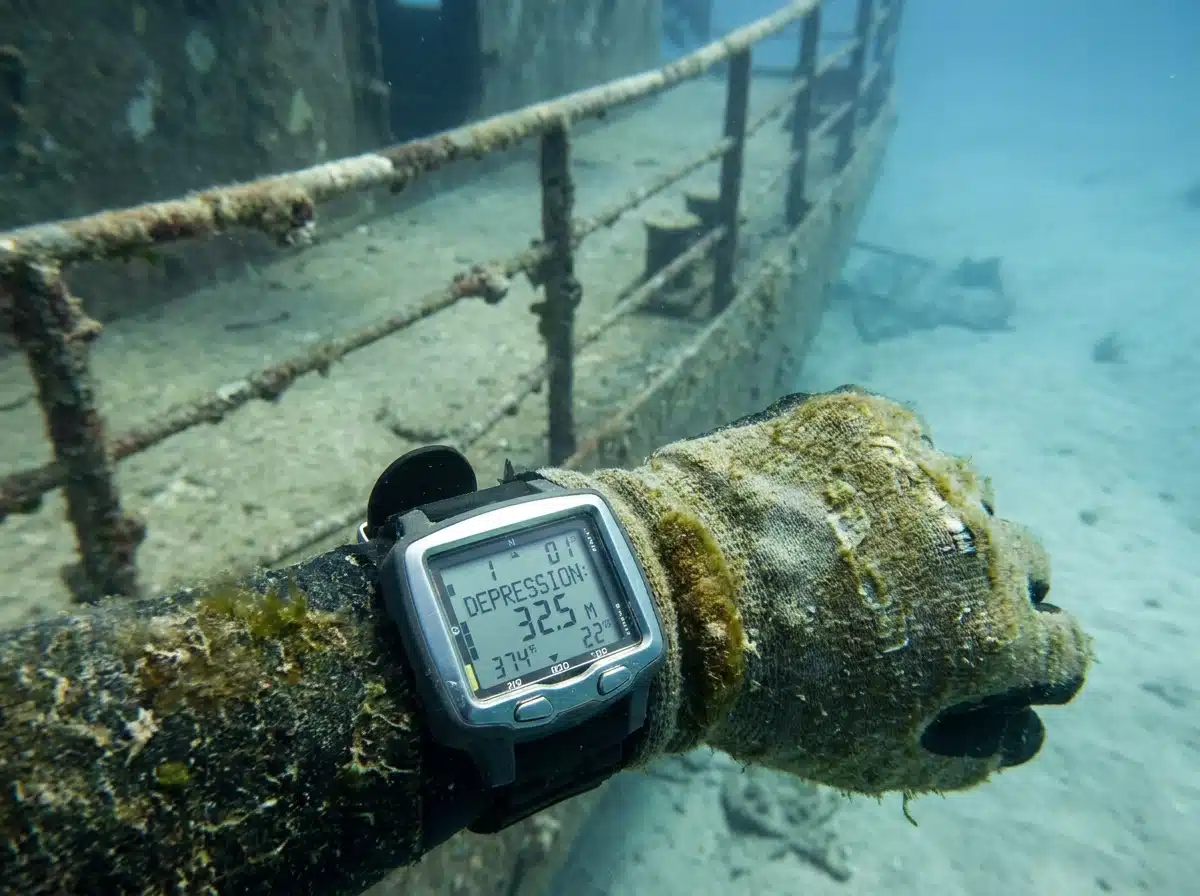
Depth figures for the Rozi vary, and knowing why matters. The shallowest points sit around 20 m, the main structure spans roughly 30 m to 34 m, and deeper figures up to 36 m are quoted. The profile is predictable: superstructure above, hull below. Note that the engine and propeller were removed before scuttling, so there is no deep prop section.
The open bridge, engine room and swim-throughs sit within recreational depths, but interiors demand penetration training and a guideline. At 30 m plus, no-decompression time is short; set a turn pressure before entry and honour it. Because published figures disagree, confirm the day’s profile with your guide.
Marine Life on the Rozi: What You Will See
With the depth profile settled, the reward is the life. Groupers and barracuda are regulars around the structure. Schools of smaller fish shelter around the superstructure and along the deck, giving the wreck the feel of an active reef. Encrusted growth covers the hull, offering habitat for octopus, morays, nudibranchs and small crustaceans; slow down to find them. Activity shifts with season, time of day and diver traffic, so early dives usually bring the calmest encounters.
Certification and Experience: Who Can Dive the Rozi
The marine life is only half the story. At 30 m plus, the Rozi is a deep wreck dive. Advanced or deep-level certification is typically expected at a site of this depth and profile, confirm the exact prerequisite with Dive Systems Malta before booking.
An SSI Deep Specialty, or comparable training, builds gas planning, narcosis awareness and ascent discipline for this profile. If you have not been deep recently, refresh or progress first; that is usually cheaper and safer than improvising.
Technical divers can extend the site with decompression planning, stage cylinders or rebreather routes through SSI XR, TDI and PADI TecRec.
Planning the Dive: Entry, Descent, Route and Exit
Kit up at the car park, then surface-swim or descend and navigate on a bearing to the wreck, depending on conditions and your guide’s preference. Plan the deepest section first, descending to the lower hull and engine room exterior while gas and no-deco time are most generous, then work shallower through the superstructure and bridge. Set a turn pressure before you get wet and stick to it; monitor your computer and honour your planned no-deco limits. A typical route takes in the superstructure and bridge, a pass along the hull, the swim-throughs and the engine room exterior, then a controlled ascent and safety stop. Exit at the same point and surface swim back. Ask your guide at Dive Systems for a full site briefing covering entry and exit, current, visibility and hazards.
Visibility, Currents and the Best Time to Dive the Rozi
Conditions shape the Rozi more than the wreck itself. Visibility at Ċirkewwa is widely reported as excellent by local operators, but confirm with Dive Systems on the day. Current and swell do occur, making the surface swim harder than expected.
Exposure protection requirements vary by season; confirm current conditions with your operator. Earlier dives can mean quieter dive traffic and calmer surface conditions.
Because this exposed north coast changes quickly, confirm sea state with a local operator before you commit. Forecasts alone are not enough.
Wreck Penetration and the Technical Side of the Rozi
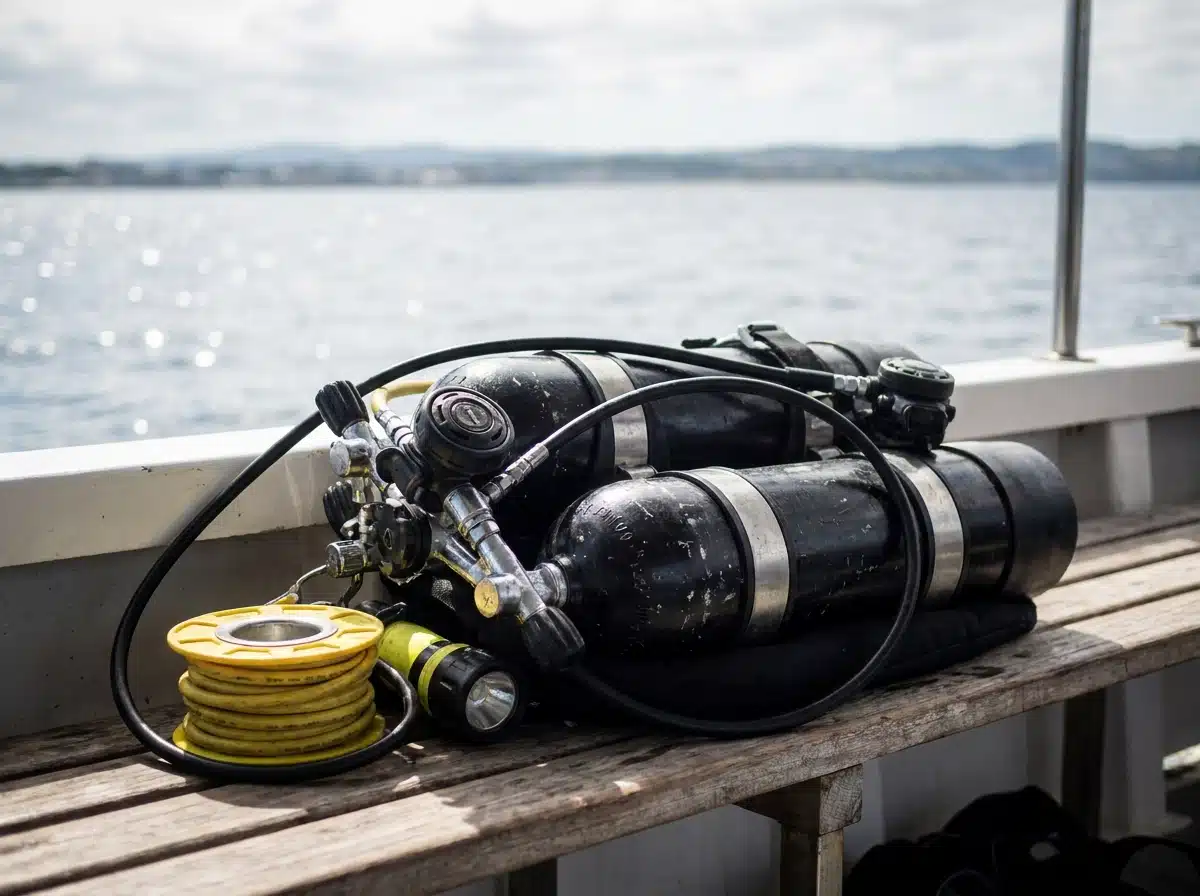
With conditions confirmed, penetration of the bridge, engine room and swim-throughs requires specific training, recreational divers without it must stay outside. SSI XR, TDI and PADI TecRec programmes cover the skills needed to progress safely beyond recreational limits. Dive Systems Malta is an SSI Extended Range Technical Training Centre and offers open circuit and closed circuit rebreather training for divers progressing beyond recreational limits. On-site gas blending, cylinder testing and inspection, and equipment servicing let technical divers prepare properly before a deeper Rozi profile.
Pair the Rozi With the P29 for a Two-Dive Day
Once your penetration questions are settled, plan the site as a two-tank day. The two wrecks share an entry area, making a two-dive day logistically straightforward.
A single entry point means one kit-up, one car park and no travel time between sites. Sequence matters: dive the deeper Rozi first and the shallower P29 second, which fits a sensible depth progression. Take the surface interval ashore with food, water and shade, then re-enter with a fresh gas plan.
Ask Dive Systems about a guided two-tank day covering both wrecks, an efficient way to log two very different sites in one trip.
Diving the Rozi With Dive Systems Malta
To make that two-tank plan happen, Dive Systems Malta, Sliema based for over 40 years, provides full local support. It is an SSI Diamond Dive Centre, an SSI Instructor Training Centre and an SSI Extended Range Technical Training Centre. Guided scuba diving and boat excursions run around Malta, Gozo and Comino, so your Rozi dive can sit within a wider itinerary of reefs, caves and wrecks. Full technical training pathways (SSI XR, TDI, PADI TecRec) and on-site equipment support are covered in the sections above. Staff check prerequisites, match a course to your experience and plan the next step, from one guided dive to technical progression.
Photographing the Rozi Wreck
Once you are in the water with Dive Systems, the site rewards good technique. Colour diminishes with depth, so carry a torch or video light for the bridge and engine room. Wide angle lenses suit the open bridge and swim-throughs; a close focus setup works better on encrusted hull detail and resident fish. The upright hull and open structures give clean compositions, and shooting slightly from above separates the wreck from the sandy seabed. Guard your buoyancy near silt, as one fin kick can ruin visibility. Shoot the main features early, when no-deco time and gas are comfortable, then use the ascent for ambient light shots.
Common Mistakes to Avoid on a Rozi Dive
Once your camera is stowed, avoid the mistakes that catch divers on the Rozi.
- Treating a shore dive as easy. The 100 m to 130 m swim, 30 m plus depth and possible current make this a genuine deep dive.
- Trusting one depth figure from an old article or forum post. Take the site briefing and confirm the day’s profile with your guide.
- Skipping a deep refresher after months away. Buoyancy and gas consumption often feel unfamiliar on descent.
- Entering overhead spaces without the penetration training described above.
- Leaving behind your surface marker buoy, torch or adequate exposure protection.
Rozi Wreck FAQs
With those pitfalls avoided, here are the answers divers ask for most.
- How deep is the Rozi? Published figures range from about 30 m to 36 m, with the highest points near 20 m. Expect a deep profile and confirm exact numbers with your guide.
- Do I need special certification? Yes. It is an advanced or deep-level wreck. Dive Systems Malta will confirm the prerequisites that apply to your experience.
- Can I dive it from shore? Yes, with a swim of roughly 100 m to 130 m to the wreck.
- Is it suitable for beginners? Not as a first dive. Beginners can progress towards it through advanced and deep training.
- Can I go inside? Only with specific penetration training, correct equipment and proper guidance.
- What else is nearby? The P29 patrol boat is nearby and shares the entry area, so many divers choose to dive both in a single day.
Your Next Step to Diving the Rozi
Prerequisites come first. Confirm your depth certification with Dive Systems before booking.
Book a guided Rozi dive from Sliema as a single shore dive or as a two-tank day with the P29 (see above). Build depth experience through SSI Advanced and Deep Specialty courses, or step up via SSI XR, TDI or PADI TecRec if you want to go further.
Sort kit early: hire gear, exposure protection, torch, surface marker buoy, plus any gas or cylinder requirements, including blending.
Then contact the Sliema team with your certification level and recent dive history. They will confirm what is possible and what your next step should be.
Conclusion
The Rozi Wreck offers a complete Malta dive: a fascinating Bristol tug turned artificial reef, a deep profile that rewards advanced training, and enough marine life and structure to keep experienced divers engaged. The key is preparation. Confirm your certification and depth limits, plan the shore entry and exit with a guide, and respect penetration boundaries. Pair it with the P29 for a superb two-tank day. Whether you are building deep experience or returning for another look, the Rozi delivers history, challenge and reward in one dive. Ready to see it for yourself? Contact Dive Systems Malta, share your certification and recent dive history, and book your guided Rozi dive from Sliema. Your next unforgettable underwater chapter starts there.


Recreational Guided Diving
2 Accompanied Dives
Recreational Guided Diving
1 Accompanied Dive
Recreational Guided Diving
4 Accompanied Dives
Recreational Guided Diving
6 Accompanied Dives
Recreational Guided Diving
10 Accompanied Dives
Recreational Guided Diving
8 Accompanied Dives
Recreational Guided Diving
14 Accompanied Dives
Recreational Guided Diving
20 Accompanied Dives