The Maltese Islands

There is no shortage of reasons to visit the Maltese Islands, nestled in the middle of the Mediterranean: weather, history, culture, and natural beauty. What makes Malta unique is not only that it is native English-speaking, but it also has a rich history that has left the country saturated with attractions and places of both cultural and natural interest.

Valletta – Malta’s Capital

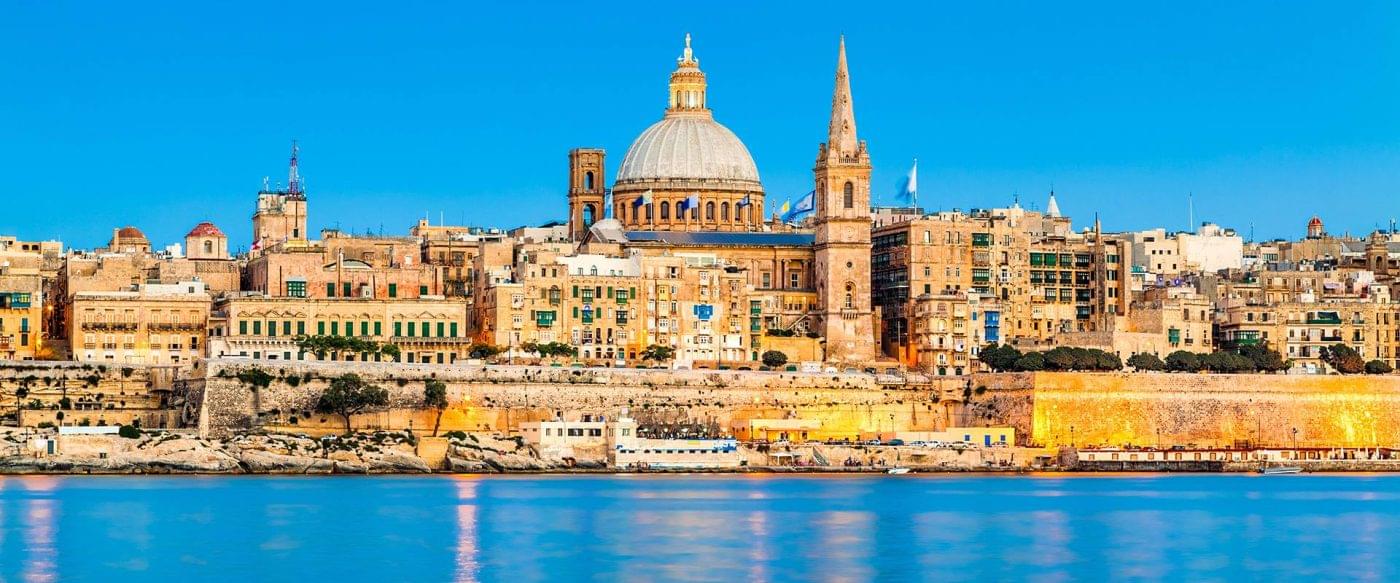
While exploring the Maltese Islands, you can’t miss the capital city. Valletta regularly hosts plays and concerts, as well as exhibitions and street events. The Museum of Archaeology houses a rich collection of prehistoric artefacts. The War Museum in Fort St. Elmo is home to a Sunday military parade with a period costumes re-enactment. The capital is home to the impressive Grand Master’s Palace and St. John’s Co-Cathedral

The Maltese Islands
Valletta About Malta Slider

Malta’s Rich & Deep History

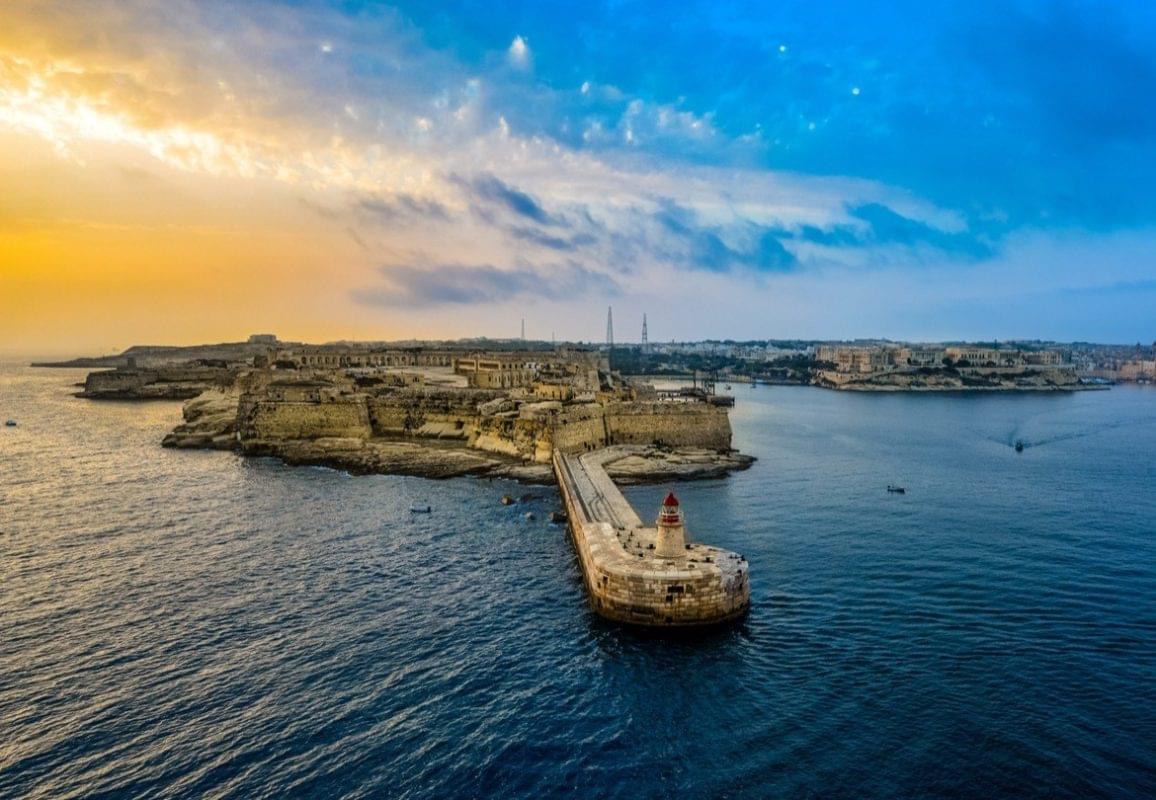
With 7,000 years of history, the sites to visit are endless – the Megalithic Temples (including Ggantija, the oldest freestanding temple in the world), the underground St Paul’s and St. Agatha’s catacombs, and sites from The Knights of St. John’s such as Fort St. Angelo and Fort Rinella (home to the world’s largest cannon). WWII sites, such as the Mgarr war shelter, Mtarfa’s ex-British military buildings, the Armoury and the Maritime Museum in Vittoriosa are for any history lover.

Malta’s Old Capital

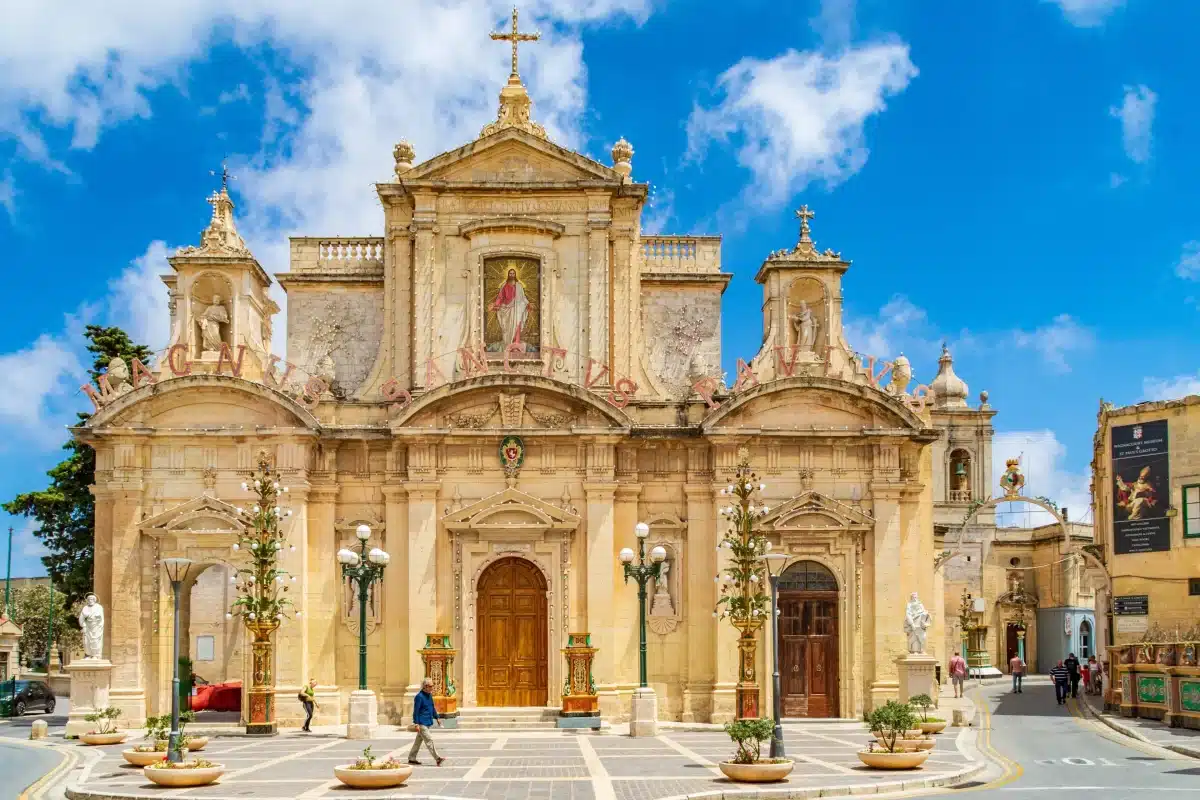
The Museum of Roman Antiquities (commonly referred to as “The Roman Villa”) and various catacombs are in Rabat, next to the fortified medieval city of Mdina where visitors can find everything from Napoleonic troops to flower festivals. The Mdina Cathedral and its museum are spectacular, as well as the Mdina dungeons and the Mdina Experience. For a romantic stroll, wander the lamp-lit streets of Mdina at night. Don’t miss the renowned chocolate cake at Fontanella Tea rooms, situated right on the fort’s bastion with a spectacular view of all of Malta.

Rabat About Malta Slider Dive Systems

Malta’s Art Scene

For those who love art, the possibilities are endless – while exploring the Maltese islands you should visit the impressive artistic collection at the National Museum of Fine Arts, see the Caravaggio’s Beheading of St. John at St. John’s co-Cathedral and visit the medieval Palazzo Falzon in Mdina which houses a large collection of antiques. To view more contemporary art, walk around the exhibits at the St. John’s Cavalier Art Centre.

Malta’s Festivals & Carnivals

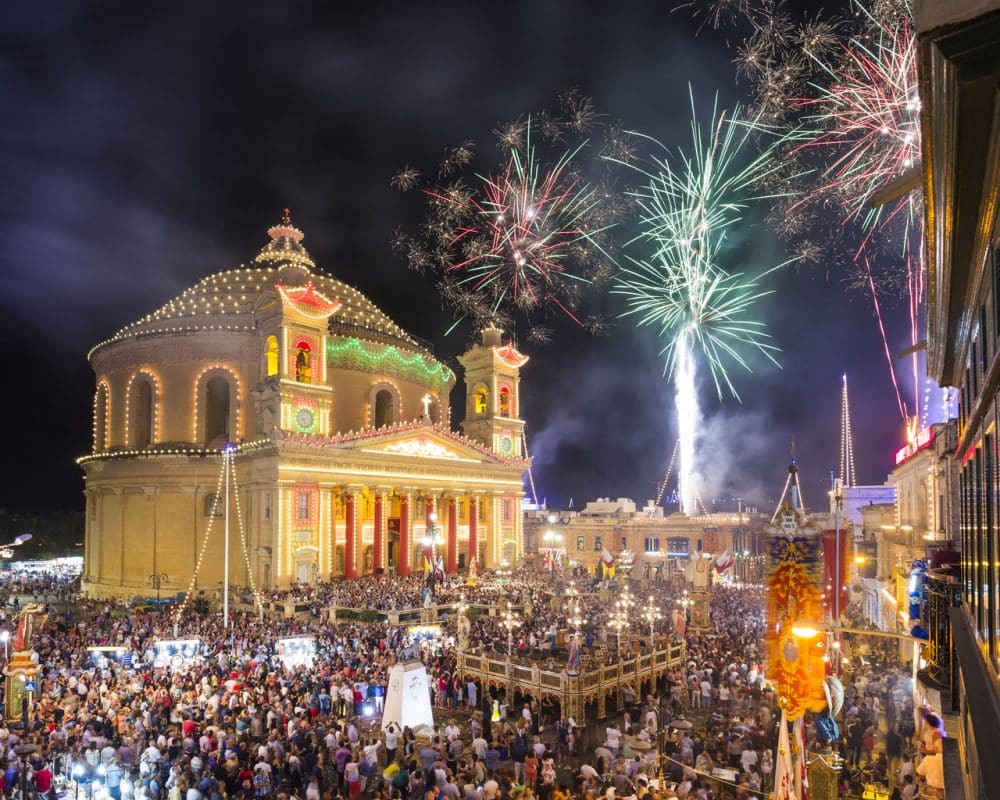
For more raucous fun, there is the carnival and open-air concerts. The Nadur carnival in Gozo and the parade in Valletta are particularly spirited. Children will enjoy the fun parks, such as the old film set of Popeye Village. At festa-time (usually in the summer), you can catch an insight into local life with all its colour and passions.

Maltas Festivals and carnivals dive systems malta bout malta.jpg

Discover the Rural Malta & Gozo

The rural side of the Maltese islands is gorgeous, with charming villages & captivating folklore. With 365 churches, there are more than a few highlights. Mosta’s church is famous for its large dome, the third largest Europe. Also don’t miss the church of St. Nicholas in the village of Siggiewi.

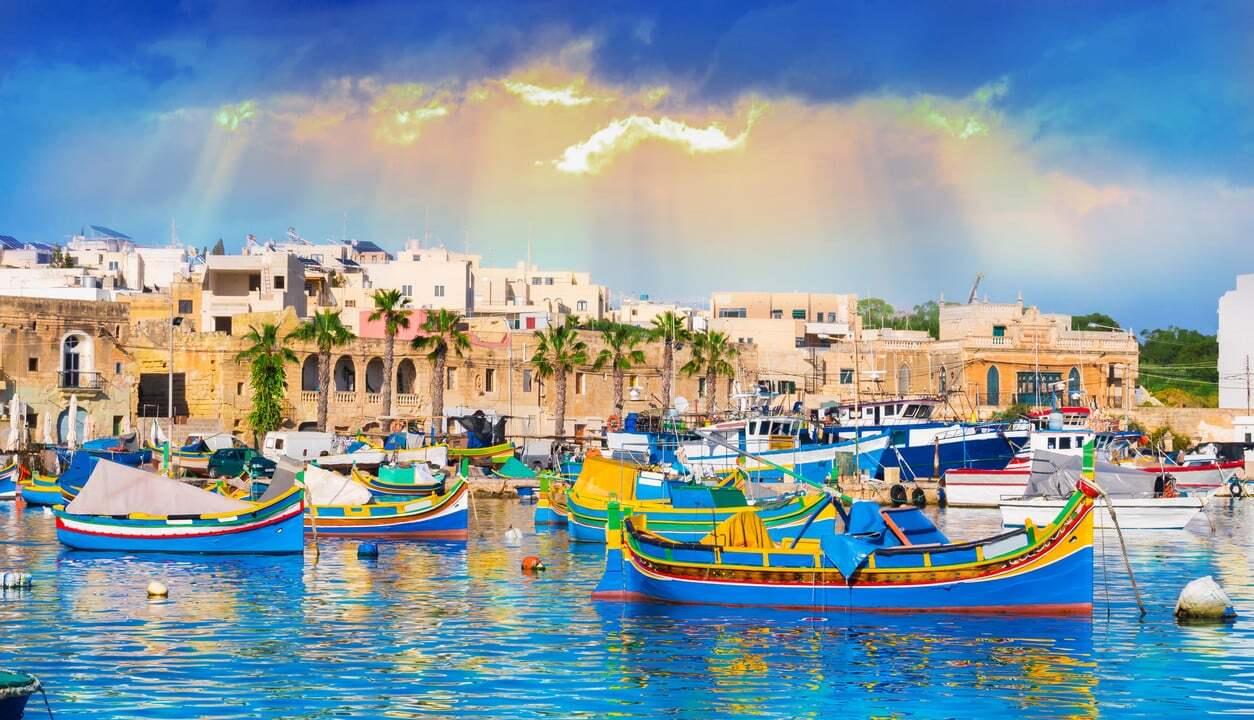
For urban wanderers and photographers, there is the three cities in Cottonera, an evening walk on the Sliema or Bugibba promenade and the fortified Citadel in Gozo. On Sunday morning, make sure to see the fishing village of Marsaxlokk market, the open-air market outside Valletta or the It-Tokk Victoria market in Gozo.

Malta’s Beaches & Bays

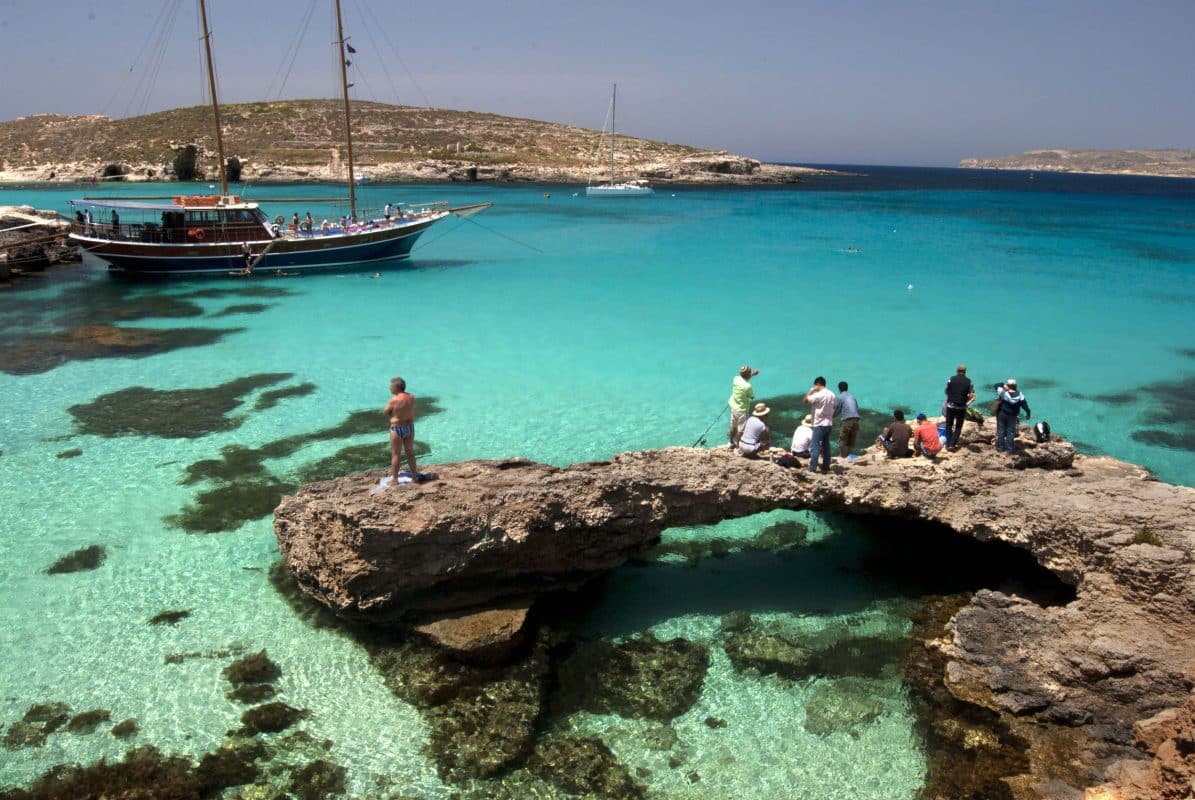
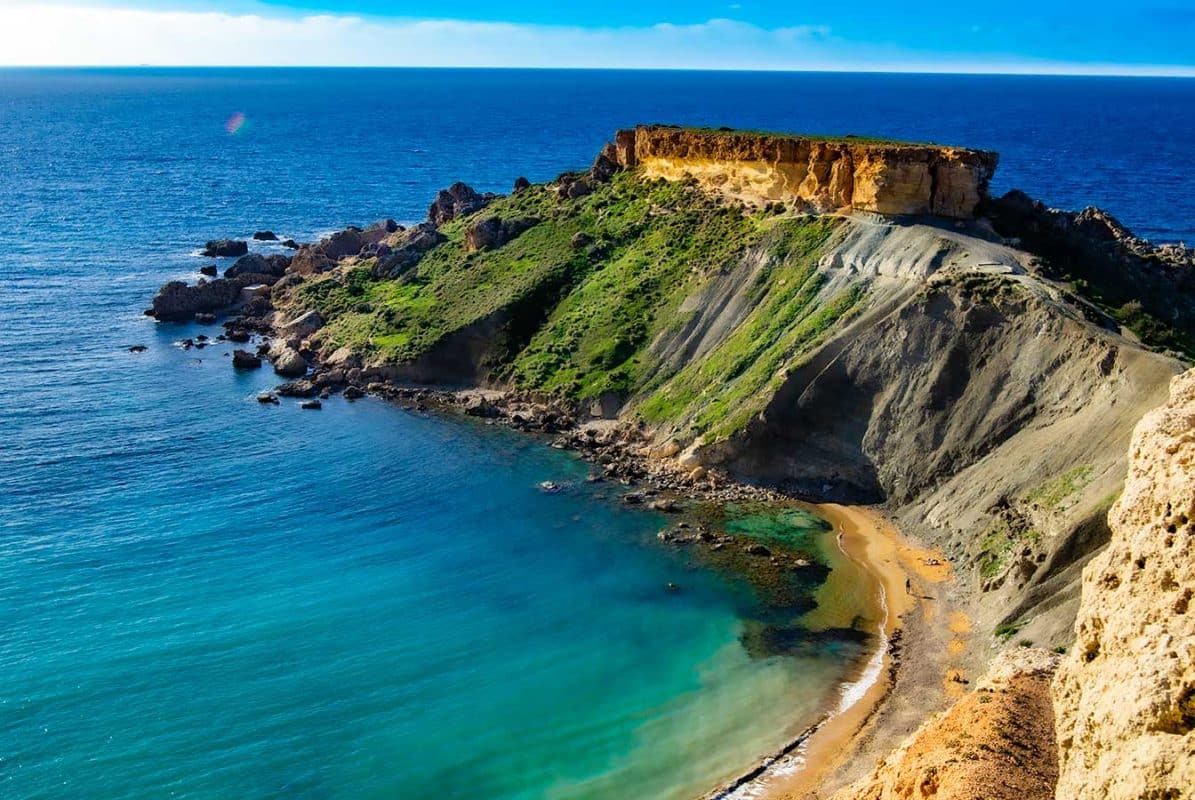
For those who love the water, scuba diving is an avid sport on the islands. You can go on a harbour cruise, swim at the Blue Lagoon in Comino and St. Peter’s Pool near Marsaxlokk, yacht charters, and Mgarr Ix-Xini cove in Gozo are all here for absolute water lovers. Malta has beaches for everyone, from windsurfers to sunbathers. There is golden sand, red sand, rocks, blue lagoons and even inland seas. Some beaches and rocky shores are off the beaten track but worth seeking out for their seclusion. A boat trip to Comino’s Blue Lagoon is the ultimate in azure water. With Malta’s climate, beach life lasts well into October. You can hire equipment from beach cafes or shops for windsurfing, jet and water skiing, parakiteing and fun rides.

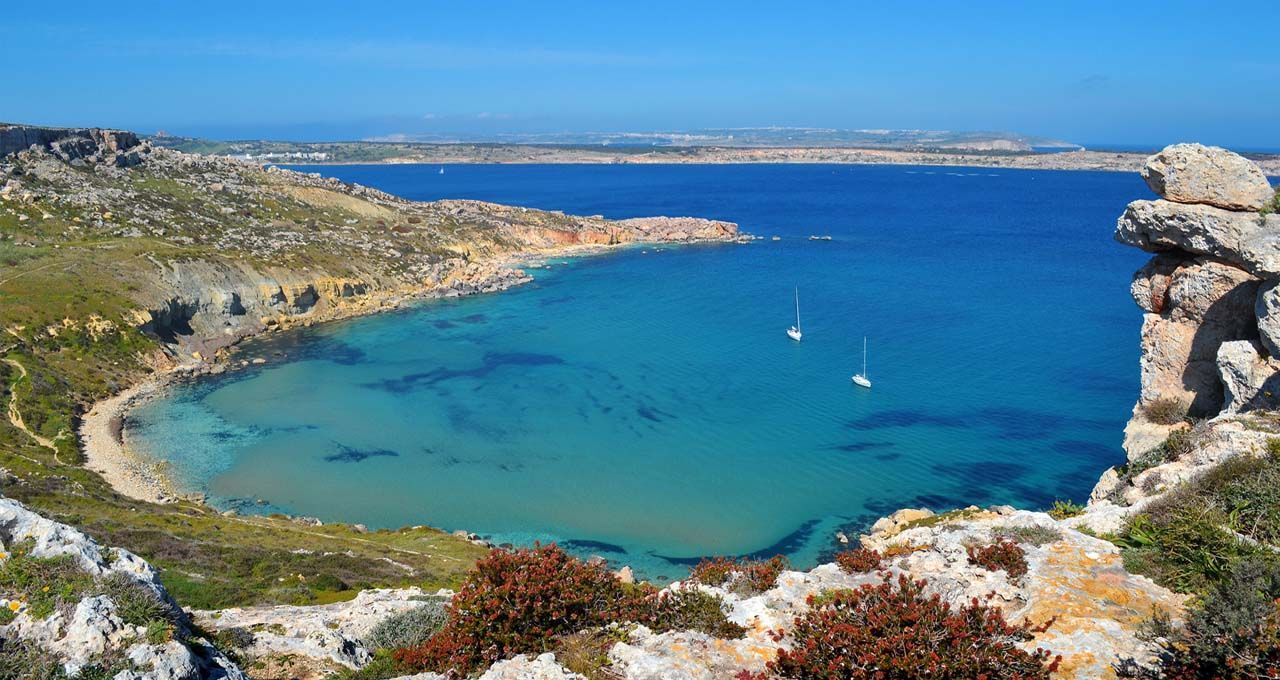
The main coastal resorts and larger sandy beaches are in northern part of Malta, where you can find some of the most popular beaches such as Mellieha Bay, Ghajn Tuffieha and Golden Bay. For smaller, quieter beaches, try those at the tip of Malta overlooking Gozo such as Paradise Bay and Armier. In Gozo, the most beautiful beach is Ramla I-Hamra, a large beach of unusual red sand nestling by countryside. Gozo and Comino offer plenty of out-of-the-way rocky inlets with clear waters and perfect snorkelling.

Getting to Malta

The Maltese islands are 90 kilometers south of Sicily, Italy and are just a few hours flight from anywhere in Europe.

You can use ferry services from Sicily as well.

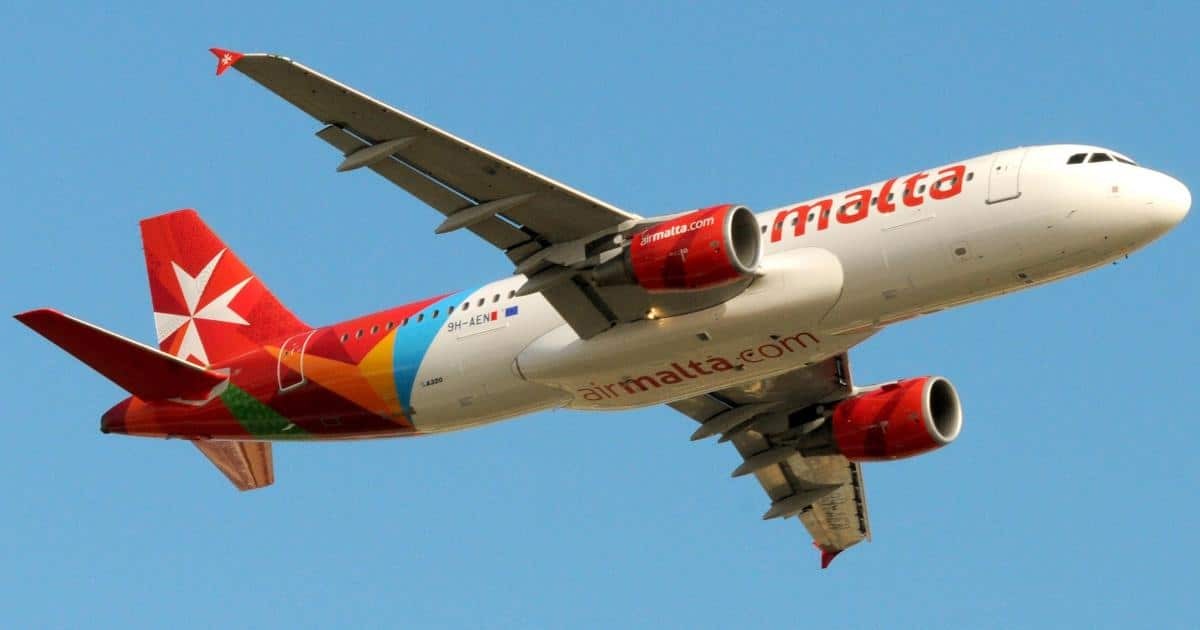
Flying to Malta is easy, with several major and low cost airlines operating on a daily basis.

For a full list of incoming flights to Malta, click here.
For a list of airlines coming to Malta, click here.

More to explore

To find out more about Malta’s attractions, events, history and culture, head on over the Visit Malta’s website.

Visit Malta Website

Explore Malta, Gozo & Comino Below The Surface

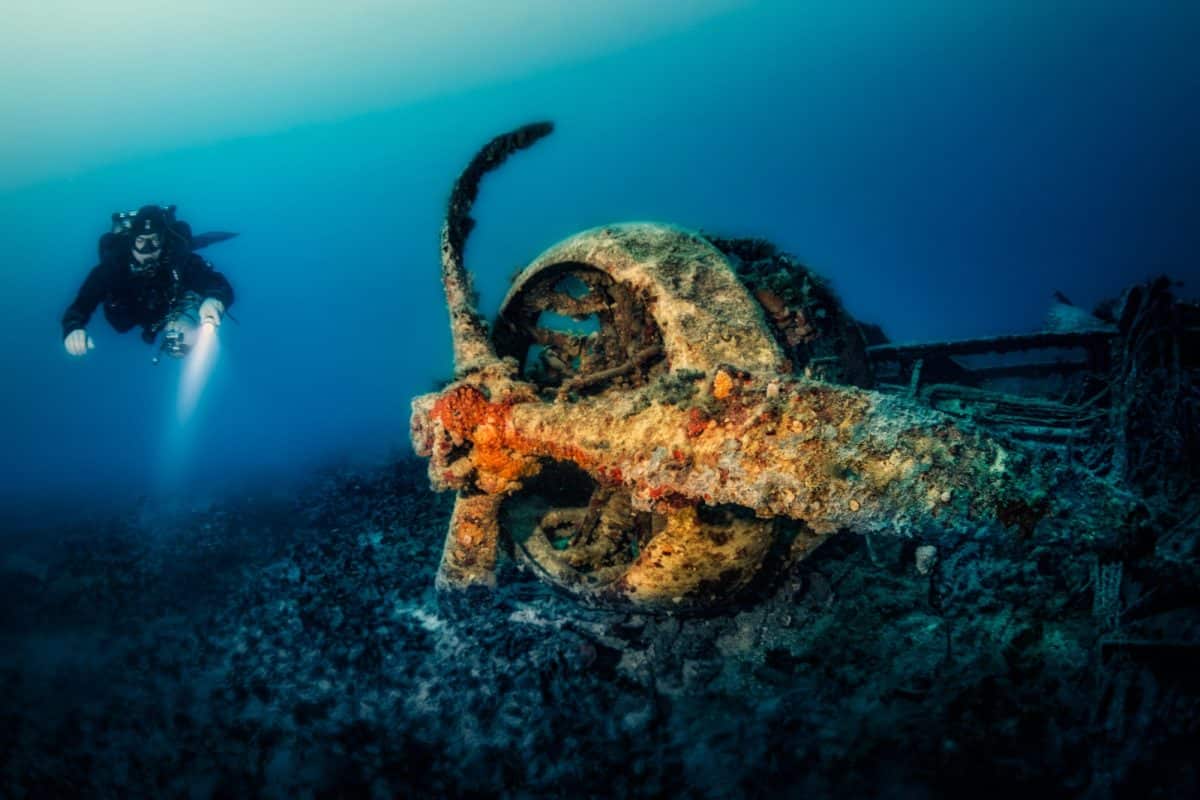
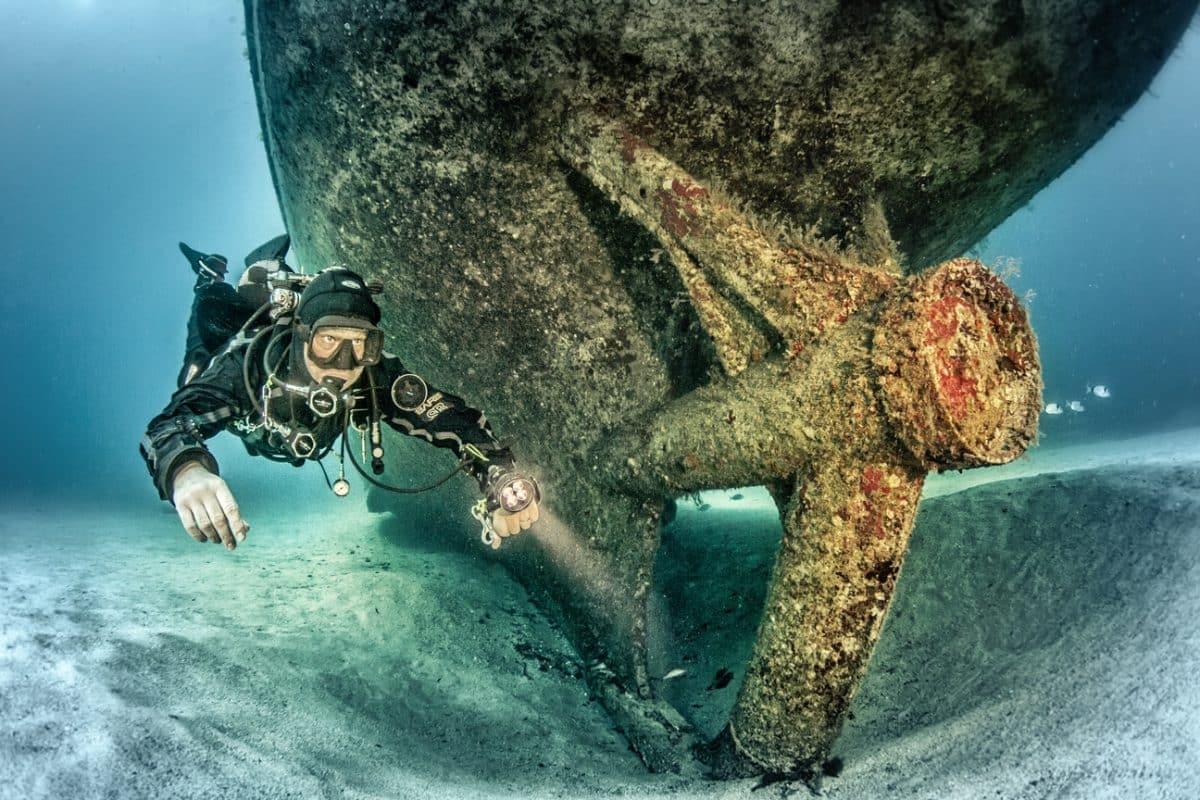
Malta, Gozo, and Comino offer some of the best diving in Europe. According to the leading dive magazines Malta is the Top European destination and third best diving location in the world. Diving in Malta is superb because of the combination of great dive sites, fantastic wrecks, incredibly clear warm water and an array of marine life. The water has incredibly clear visibility up to 40 meters. Diving in Malta is a year-round sport as the sea’s temperature never falls below 15°C.

Let's go a little deeper